When Piece of Art Lose It Copyright and Becomes a Public
When it comes to the fine art of making movies it is known that, if you desire to tell someone's personal story, you have to ask for their permission. It's their life after all, and if you want to utilize information technology in your work, y'all cannot breach anyone's privacy or expose something they wouldn't desire yous to. Strangely enough - or not - the same rule goes for fine art, i.e. artworks past both living and deceased artists. Throughout history of movie house, many movies, not merely documentaries, were dedicated to sure artists, fine art movements or specific works of fine art etc. And not simply - many times information technology happened that the directors and their artistic teams wanted to characteristic famous paintings, sculptures, photographs or other in their ain works, to make a faithful story. And at that place was a time when this wasn't a thing to be worried about.
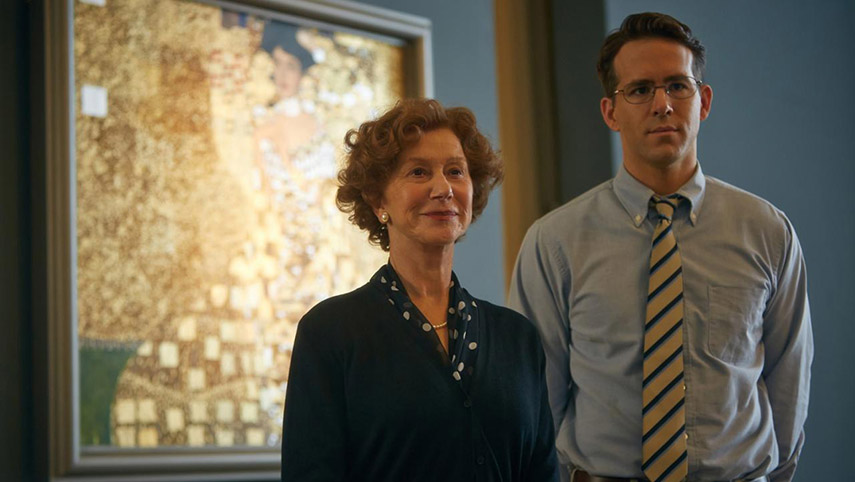
The Art of Filming Art
Until about twenty years ago, the rights of an art paradigm weren't regulated much, and this allowed filmmakers to use them almost completely freely. Now, you lot e'er need a permission to use someone's artwork on movie, only the process to obtain one is so lenghtly and complicated that sometimes whole projects get given up on because of it. Merely ask Julian Schnabel - he couldn't go Jean Michel Basquiat'south estate to provide original artworks for his 1996 motion picture about the artist. Instead, he had "in way of" replicas painted and approved (or not) past the estate'due south lawyer. On the other paw, the estate of Andy Warhol had no problems with Schnabel using famous pop pieces, so the ones y'all encounter in the film are the real deal.
The copyright law is clear: even if a painting (or drawing or photograph) has been sold to a collector or a museum, in general, they just take property rights, merely not copyright. The artist or his/her heirs retain command of the original image for 70 years later the artist's expiry. This means that, if you want a Picasso, who died in 1973, you will have to deal with his (very tricky) estate managers until the year of 2043. After that, the fine art enters the public domain, and anyone can employ it for free.
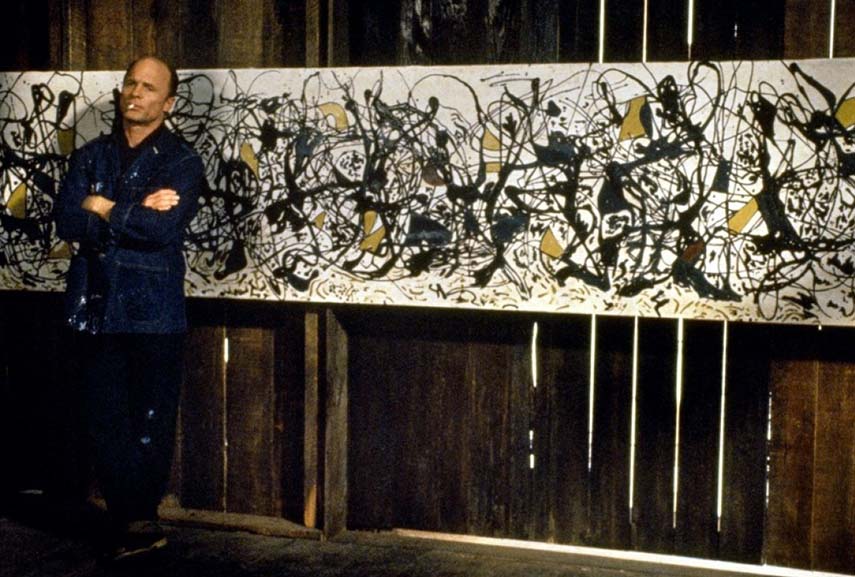
The Creative person Manor Obstacle
Merely until then? When you striking a dead finish in negotiations with someone's estate, you don't actually have many options. Yous tin paint something that looks similar the art you need, but non too shut; y'all can brand a true-blue re-create of an artwork, but then destroy it and take it on tape that you really did it; you tin use an false anyway and terminate up with a lawsuit you volition likely lose. There is as well the fact that, when you use a reproduction, oft a photograph of an artwork, you volition have to ask the photo's author for the rights to utilise it in your flick too. It should likewise be said that, if the use of an artwork is very minor, there is no need to ask for permissions. In case of movies, an artwork tin can be shown for no longer than six seconds.
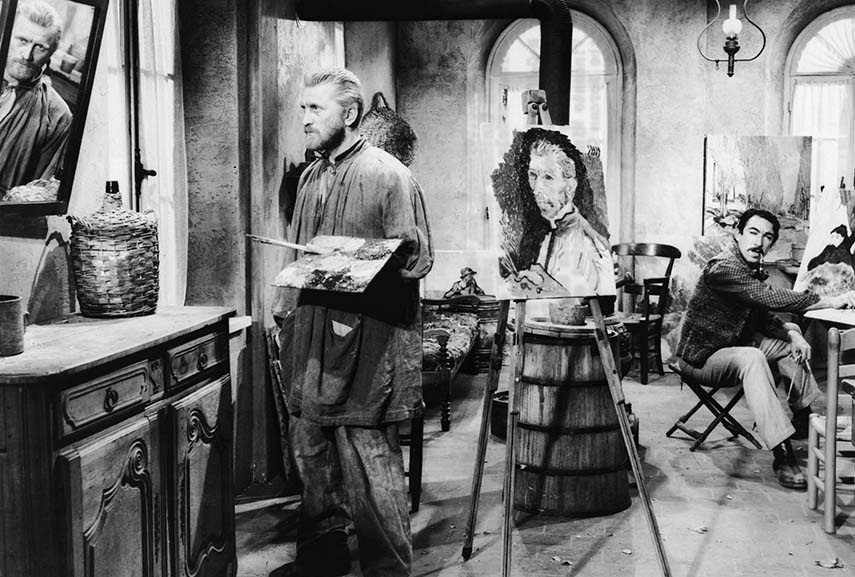
A Permission to Enjoy
With so many rules and regulations in the field of autorship and buying in fine art, information technology is hard to catch upward on what 1 can and can't do. Statistics say that 40% of rights owners practice not requite permissions filmmakers need. Luckily for them, and for us the viewers, the remaining 60% does. A positive example of fine art in films is the one of Mr. Turner, the 2014 pic about the life of British painter J.M.Westward. Turner. The moving picture seemed to have generated a new interest in Turner'due south works. On December 3rd 2014, Turner's painting Rome, From Mount Aventine, 1835, was sold at a Sotheby's auction for $47.4 one thousand thousand, a record for any pre-20th century British artist. 1 matter will lead to another, and movies will help spread the word on art to the general public, which is their primary goal later all. Although this doesn't concern artists estates, possibly this will encourage them to prove a chip more than of goodwill, because in the end, it'south all near but enjoying good art on a large screen.
Sign upwardly for My Widewalls for more art features!
Featured image: Actor Colin Firth next to a reproduction of Claude Monet's Haystacks at Dusk in Gambit (2012). Prototype via filmofilia.com
Source: https://www.widewalls.ch/magazine/art-in-film-and-copyright-problems
0 Response to "When Piece of Art Lose It Copyright and Becomes a Public"
Postar um comentário